 OTHERS
 From Chaos to Clarity: Best Practices for Effective Exploratory Testing

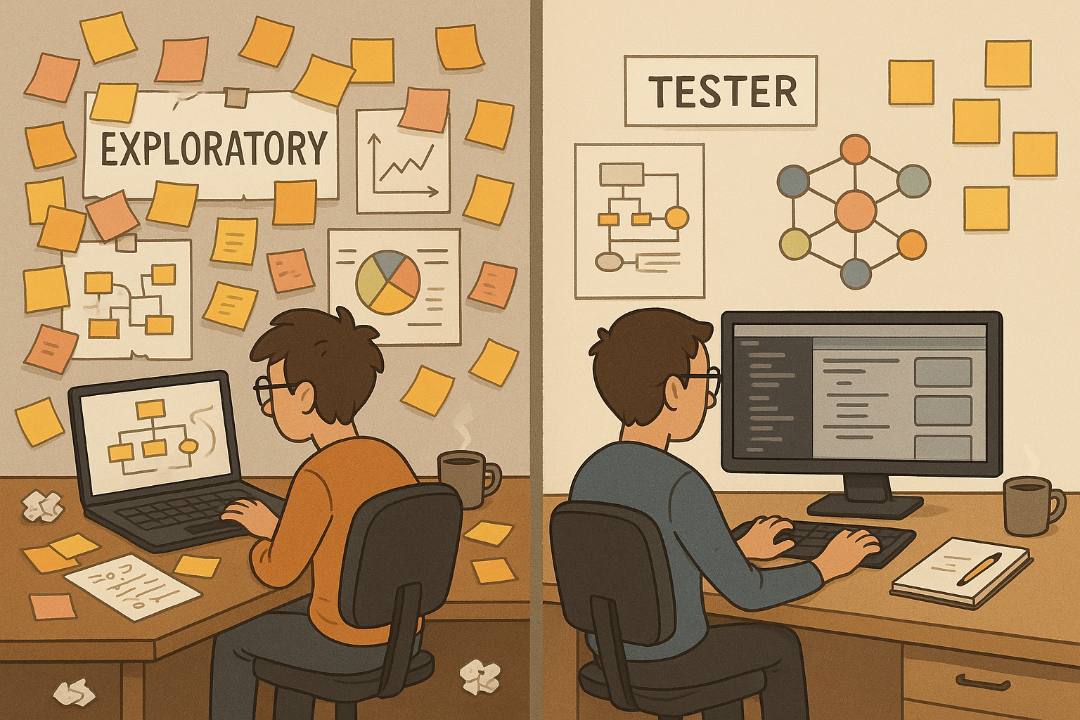
Exploratory testing is often fast-paced and instinct-driven, but to make it truly effective, it needs structure without losing its flexibility. This guide outlines essential best practices that provide clarity and focus to exploratory testing, helping it stay efficient, insightful, and impactful. By applying these techniques, testers can effectively navigate complex systems, uncover critical defects, and confidently deliver higher-quality results.
Ensure Clear Test Objectives: To ensure clear test objectives in exploratory testing, begin with a focused test charter that clearly defines what you're testing, why it's important, and how you'll approach it. Keep the scope limited to a specific feature or risk area to maintain clarity and depth. Use simple guiding questions or checklists to spark test ideas and ensure you're covering different aspects of the feature. Ensure your objective aligns with stakeholder priorities, recent changes, or identified high-risk areas to maximize the impact of your testing.
Timebox Your Sessions: To effectively manage exploratory testing, set a fixed time limit—usually 60 to 90 minutes—for each session. This time-boxed approach helps you stay focused, avoid distractions, and work with clear intent. During the session, concentrate on the test objective, explore the feature, and take notes on your observations and findings. When the time is up, stop testing and review what you covered, the issues you found, and the areas that may need further exploration.
Combine with Scripted Testing: While exploratory testing excels at uncovering unexpected issues through creative, unscripted investigation, it works best when combined with scripted testing. Scripted tests provide a reliable foundation by verifying known requirements and repeatable scenarios, ensuring core functionality remains intact. Exploratory testing complements this by focusing on areas that are harder to predict or automate, such as usability, edge cases, and new features. Together, they create a balanced testing strategy—scripted tests offer consistency and coverage, while exploratory testing brings flexibility and deeper insights, helping teams deliver higher-quality software.
Encourage Collaboration: Collaboration in exploratory testing is a game-changer because it brings fresh eyes and diverse perspectives to the table. When you team up with developers, designers, or product folks, you get a mix of technical know-how and user perspective that sparks new test ideas and helps spot tricky issues.
Document Exploratory Testing Sessions: This step is vital: don't just click and forget. Keep a running log of what you did and what you observed—whether expected or surprising. Jot down any questions that arise, and for every bug, write down detailed reproduction steps.
Break Down the Software:
This approach involves dividing the application into smaller, manageable components—such as features, workflows, or modules—to focus testing efforts more effectively. This helps testers explore each part deeply, understand its purpose, identify potential risks, and uncover hidden issues. By isolating variables, following data flows, and examining functionality from different perspectives (user, developer, business), testers can better identify edge cases and critical bugs. This structured yet flexible exploration leads to deeper system understanding and more effective defect discovery.
Document Just Enough
Documentation should be minimal but meaningful, capturing only what’s necessary to support learning, traceability, and communication. Instead of extensive test case scripts, testers focus on noting key observations, explored areas, identified risks, bugs found, and ideas for future exploration. This lightweight approach keeps testing fast and adaptive while still providing useful records of what was tested and why.
Prioritize Risk, Not Just Features
In exploratory testing, the focus should go beyond simply testing every feature—testers should prioritize areas based on risk. This means identifying parts of the application that are more likely to fail, have complex logic, impact critical business functions, or have changed recently. By targeting high-risk areas first, testers can uncover serious defects early and make the most of limited testing time. This risk-based approach ensures that effort is directed where it matters most, improving both the effectiveness and efficiency of the testing process.
Exploratory Testing is not random. It's structured freedom. You're using your creativity, knowledge, and intuition to uncover the hidden corners of your software.